A renovation specification lets you finance remodeling work inside your mortgage. Here is what the document must contain, how the appraiser uses it, and why construction deposit money is never paid out as cash.
Renovation Specification: How to Finance Remodeling in Your Mortgage
MG
7 minutes to read Last updated August 20, 2026
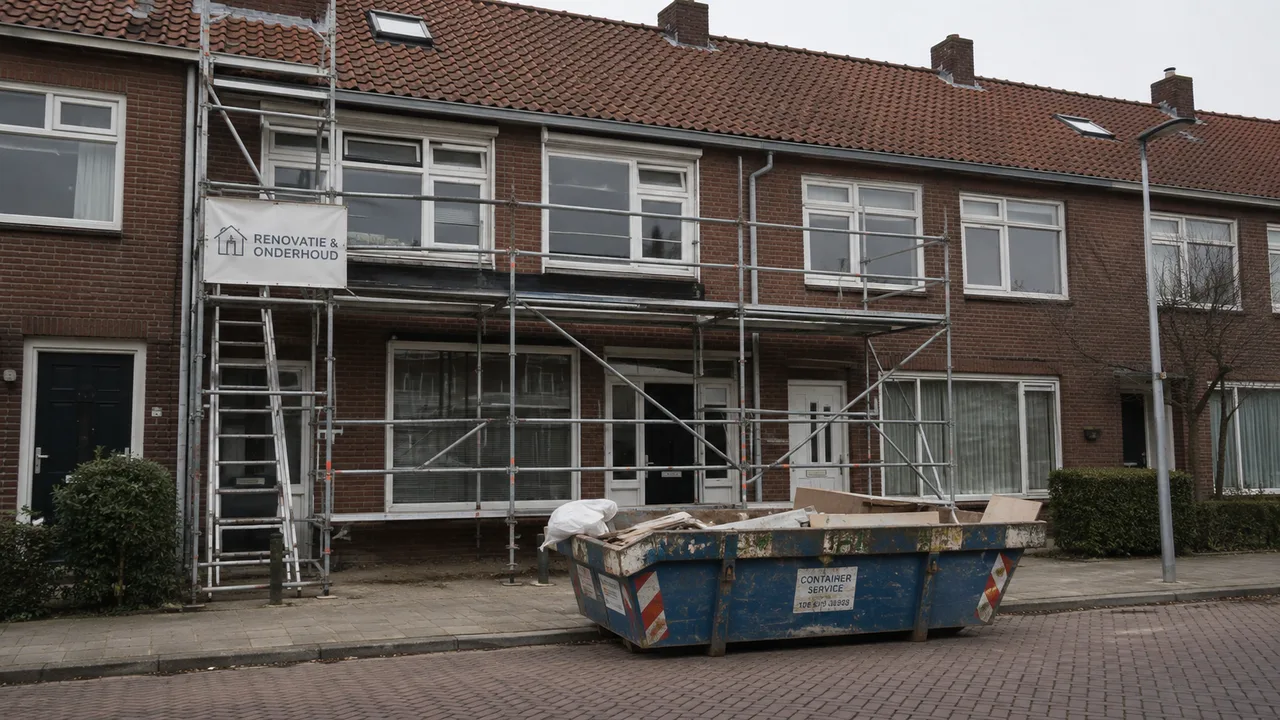
A renovation specification (verbouwingsspecificatie) is an itemized document that lists the planned remodeling work, the budgeted cost per item, and who carries out each task, so the appraiser and your lender can finance the renovation inside your mortgage. Understand the home's value before you bid, and this document keeps that value honest.
Key takeaways
- A renovation specification lets you add remodeling costs to your mortgage by increasing your home loan, a route the Nationale Hypotheek Garantie (NHG) explicitly allows.
- The appraiser uses the specification to estimate how much value the work adds, and the lender finances against that number.
- Money reserved for the work goes into a construction deposit (bouwdepot) and is released against invoices, never paid out as free cash.
- Not every euro you spend returns as value; the appraiser judges the realistic impact on the market value.
- Build your own value picture first, so the figures you submit hold up when the lender checks them.
Why do you need a renovation specification?
The Nationale Hypotheek Garantie (NHG) lets you fund a renovation by increasing your existing home loan, and the renovation specification is the document that makes that possible. Without it, the appraiser has no basis to judge what your planned remodeling costs or what it adds to the property. When you buy a home that needs work, the bank does not simply hand over extra cash; it finances against a documented plan. The appraiser reads your specification, estimates the expected value impact, and writes it into the appraisal report. The lender then knows it is lending against a realistic post-renovation value, not a hunch. That is why the specification matters before you sign anything: it turns a vague "we'll fix it up later" into numbers a lender can verify. Understanding before the bid starts right here, with the document that grounds the whole financing request.
What goes into a renovation specification?
A renovation specification you prepare for the appraiser, who in the Netherlands is usually a taxateur registered with the NRVT and whose report is validated through the NWWI, should be specific enough to price line by line. A workable taxatierapport input typically contains:
- Property and applicant details: the address, your name, and a target completion timeframe.
- Scope of work per room or task: kitchen refit, roof replacement, dormer, or extension, each described clearly, with no "miscellaneous" line.
- Materials and finishes: the actual products, tile sizes, and fixtures, not placeholders, so every cost is traceable.
- Labour split: which work a professional contractor does and which you do yourself.
- Itemized cost breakdown: a budgeted amount per line that adds up to the total you want financed.
- Surface-area impact: whether the work changes the living area, which drives value.
You fill this in while applying for the mortgage, before the home is yours, so it is a rough but honest estimate.
How does a renovation specification affect the appraisal value?
The appraiser does not credit every euro you spend to the home's value. Under NHG rules on the lower of purchase price and market value, the lender bases your maximum mortgage on whichever is lower, and any gap between the two must be logical and explainable, which is exactly what your specification and the appraiser's judgment provide. A €40,000 kitchen does not automatically raise the value of the house by €40,000; the appraiser weighs what the market would actually pay for the improved home. Structural work such as enlarging the living area or adding a dormer tends to add clear value; cosmetic choices add less. This is where the right price is the price that's logical within the same value framework.
"Een maximale hypotheek is een uitkomst van rekenregels, geen advies. De rekenregels kennen jouw leven niet."
Marcel de Graaf, CTO Walter Living
In plain terms: the maximum the bank calculates is a formula output, not advice on what the work is worth to you. Anything the appraiser will not credit, you fund yourself, so a defensible value picture matters before you commit numbers.
Before you lock renovation figures into a mortgage application, generate a free Walter report for the home so you can read its market value independent of the asking price.
What is a construction deposit and can you get the cash?
A construction deposit (bouwdepot) holds the money reserved for your renovation, and NHG confirms that these funds cannot be paid out to you as free cash. Whether your home is valued with a physical appraisal or a hybrid appraisal, the budgeted renovation amount must stay in the deposit and is released only against genuine renovation costs. In practice you submit invoices and the bank pays from the deposit, step by step, as the work progresses. This is one of the one-off costs and cash-flow realities that surprises first-time buyers: the money is committed to the works, not to your account. There is a limit to inflating the estimate, too. The appraiser assesses the plan, and if the specification looks unreasonable, the lender may set a lower deposit than you asked for. A specification that is specific and priced holds up; a padded one invites questions.
How is a home's value determined before renovation?
The Kadaster suggests estimating a home's baseline value by comparing WOZ values and recent sale prices of similar homes in the same area. That baseline is the figure your budgeted renovation costs get added onto, so it decides how much room there is to finance the work. The WOZ value is the municipality's yearly valuation and a useful reference point, though it lags the live market. Recent sales of comparable homes, adjusted for size, condition, and location, give a sharper read. The appraiser combines that market picture with your specification to land on a post-renovation value the lender will accept. Getting your groundwork done early also shapes the financing side: check your mortgage quote against a realistic value rather than a hoped-for one, so the plan stands on numbers you can defend.
A renovation specification is only as strong as the value picture behind it. Walter doesn't gamble. Walter explains. Create a free Walter account and pull a data-driven value report for your target home before you file the numbers, so the figure you submit is one you can stand behind.
This article is informational and not Wft-regulated mortgage advice; for your own situation, consult an AFM-registered mortgage adviser.
Frequently asked questions
Can you give an example of a renovation specification?
Yes. A simple example: for a home needing full renovation, you list "kitchen refit, contractor, €18,000", "roof insulation, DIY, €4,500", "bathroom, contractor, €12,000", each on its own line with materials named. The lines add up to a total, and that total is what you ask to finance. Specific, priced, and traceable beats a single vague sum.
Do you need a contractor quote for a renovation specification?
Not strictly, but it helps. You can fill in a renovation specification yourself while applying for the mortgage, before the home is yours, so a rough estimate is normal at that stage. A contractor quote sharpens the numbers and makes the appraiser's job easier. Estimating alone is harder, especially when your remodeling plans are not yet fully developed.
Can you receive construction deposit money as cash?
No. NHG is explicit that funds in a construction deposit cannot be paid out to you freely, whether your home is valued with a physical or a hybrid appraisal. The budgeted renovation amount stays in the deposit and is released only against renovation costs, typically as you submit invoices and the bank settles them directly.
How much value does a renovation add to the appraisal?
It varies, and the appraiser decides, not a fixed formula. Structural work such as extending the living area or adding a dormer tends to add clear value; cosmetic upgrades add less. The realistic value uplift is usually smaller than the cash you spend, so anything the appraiser will not credit you fund from your own money.
Buying? Book your free call
Pick a day and time that suits you. We'll get to know what you're looking for and show you exactly how we help you buy your next home — no pressure, entirely at your pace.
Loading available times...